
SAP Calculations and EPC's Made Simple
SAP Calculations & EPC's

Overheating Assessments
Dynamic Thermal Modelling
Air Pressure Testing
SAP Calculations & EPC's
Dynamic Thermal Modelling

Overheating Assessments
Air Pressure Testing
Need more information?

Overheating Assessments

Dynamic Thermal Modelling (TM59)
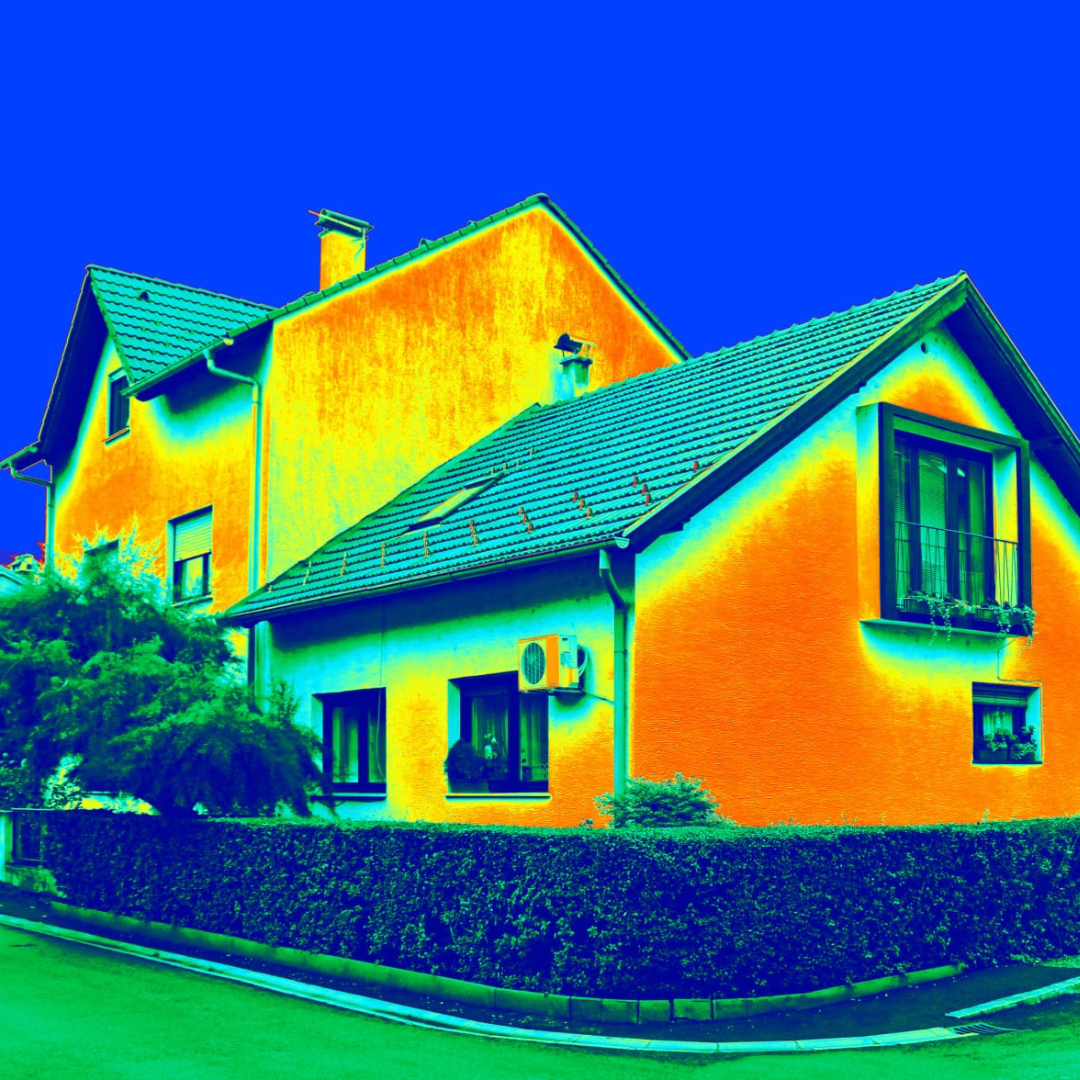
Dynamic Thermal modelling is required for the overheating assessment for Building Regulations Part O, were the simplified method cannot be used due to external noise levels or poor air quality. The method also allows greater design flexibility.
SAP Calculations & EPC's
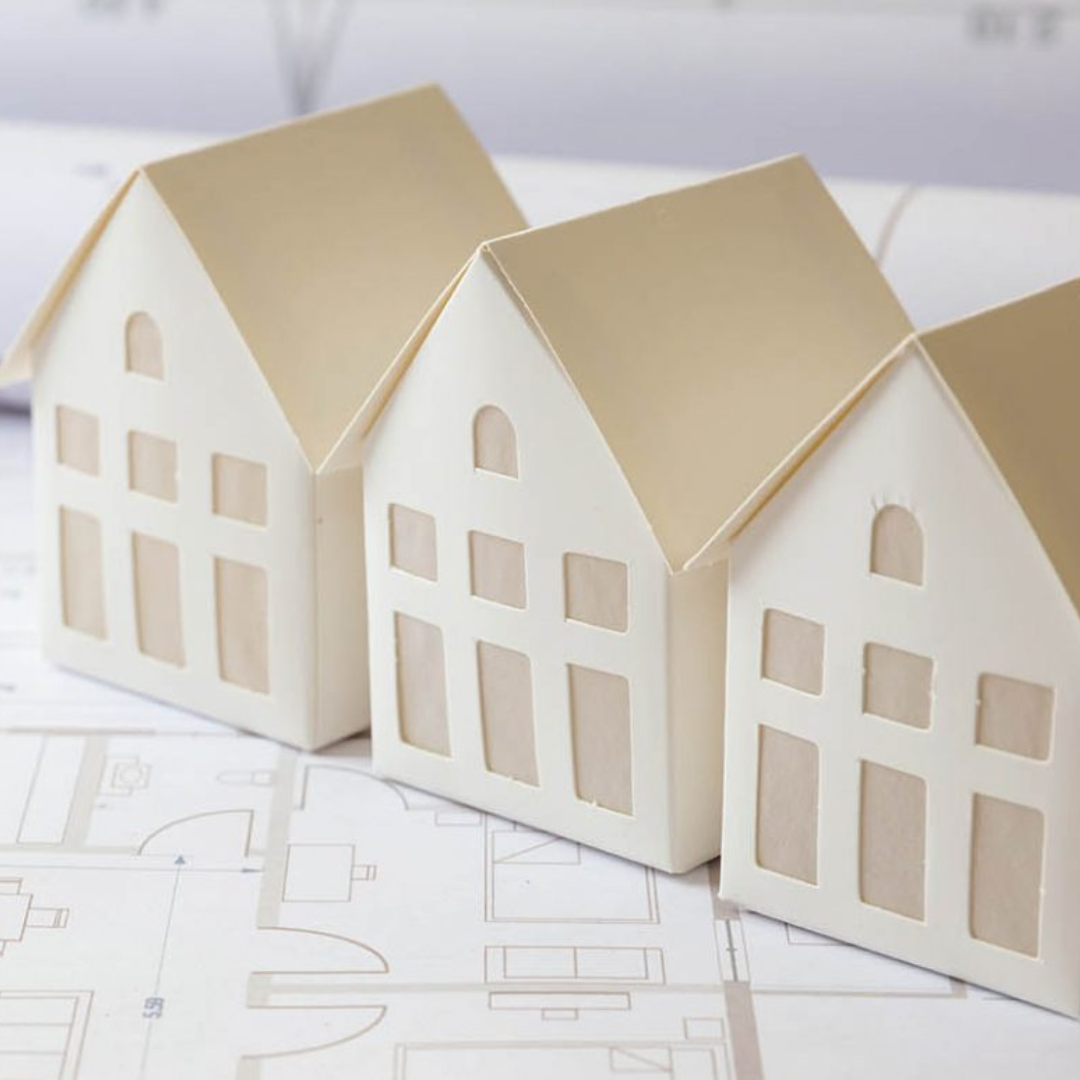
Building Regulations Part L requires SAP Calculations for all new build properties. We can guide you through design options, to enable you to make good informed choices for the construction of your new home from an energy perspective. The EPC is the result of your SAP design.
Air Pressure Testing
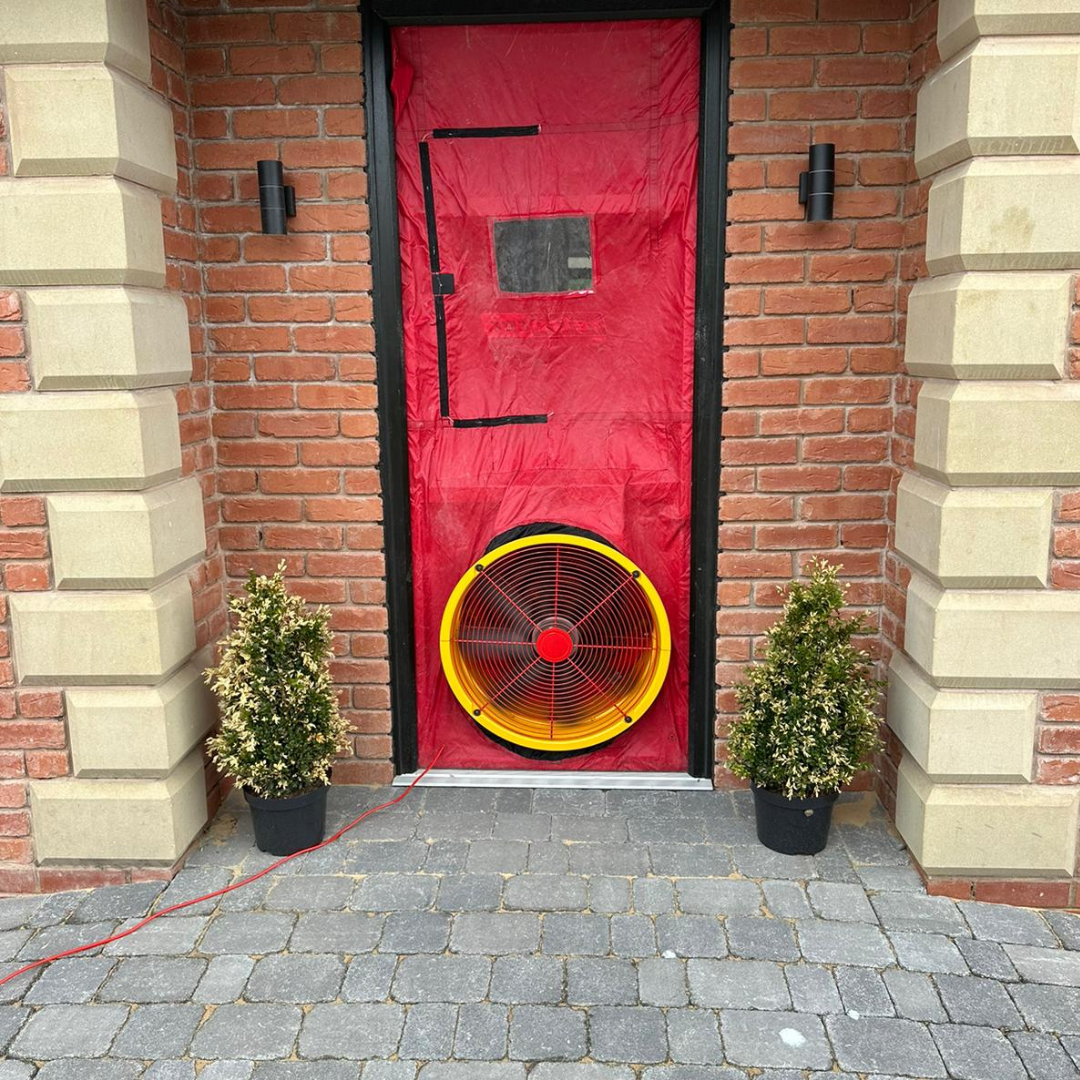
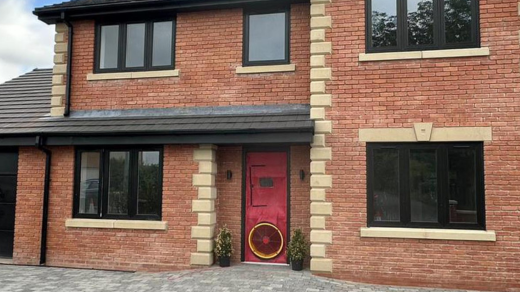
Air Pressure testing is a requirement in Part L of the Building Regulations for new build properties. The target for the air test is set within the SAP Calculation, called the design air permeability (dap)
FAQs
SAP (Standard Assessment Procedure) calculations measure the energy efficiency of new-build properties. They are required to comply with Building Regulations and to obtain an Energy Performance Certificate (EPC).
SAP calculations assess the energy performance of a new-build property before it's constructed, while an EPC provides an energy efficiency rating for completed buildings, whether new or existing.
Part L: Regulations for energy efficiency in buildings, covering insulation, heating, lighting, and ventilation to reduce carbon emissions.
Part O: Regulations for preventing overheating in buildings, ensuring proper ventilation and shading to keep indoor temperatures safe.
It's best to complete SAP calculations at the design stage to ensure compliance with regulations and avoid costly changes later.
An EPC is valid for 10 years and is required when selling, renting, or building a property.
Meet James
James is a founding partner of UK Overheating and is an expert in acoustics and overheating. He is a principal author of the Acoustics, Ventilation and Overheating: Residential Design Guide and of the Guide to Demonstrating Compliance with the Noise Requirements of Approved Document O.
He is also a contributor to the Future Homes Hub document Part O 2021 (England) Technical Guidance. James further advances his contribution to industry as Chairman of the Institute of Acoustics specialist Building Acoustics Group.


"Working with James is a pleasure and an education. His enthusiasm and expertise in the field of acoustics and overheating mitigation is infectious and a pragmatic and practical approach, driven by a desire to arrive at cost-effective solutions shines through.
As a consultant, he also has a good commercial understanding and that business acumen adds to his credibility and reliability. James is my ‘go to’ guy when it comes to overheating and acoustics."
Alex Naraian
Churchill Retirement Living

The team is professional, knowledgeable, and easy to work with. Highly recommend their services for any development facing overheating challenges."